Dry Aged Beef in Stone, Staffordshire: Is It Worth the Hype?
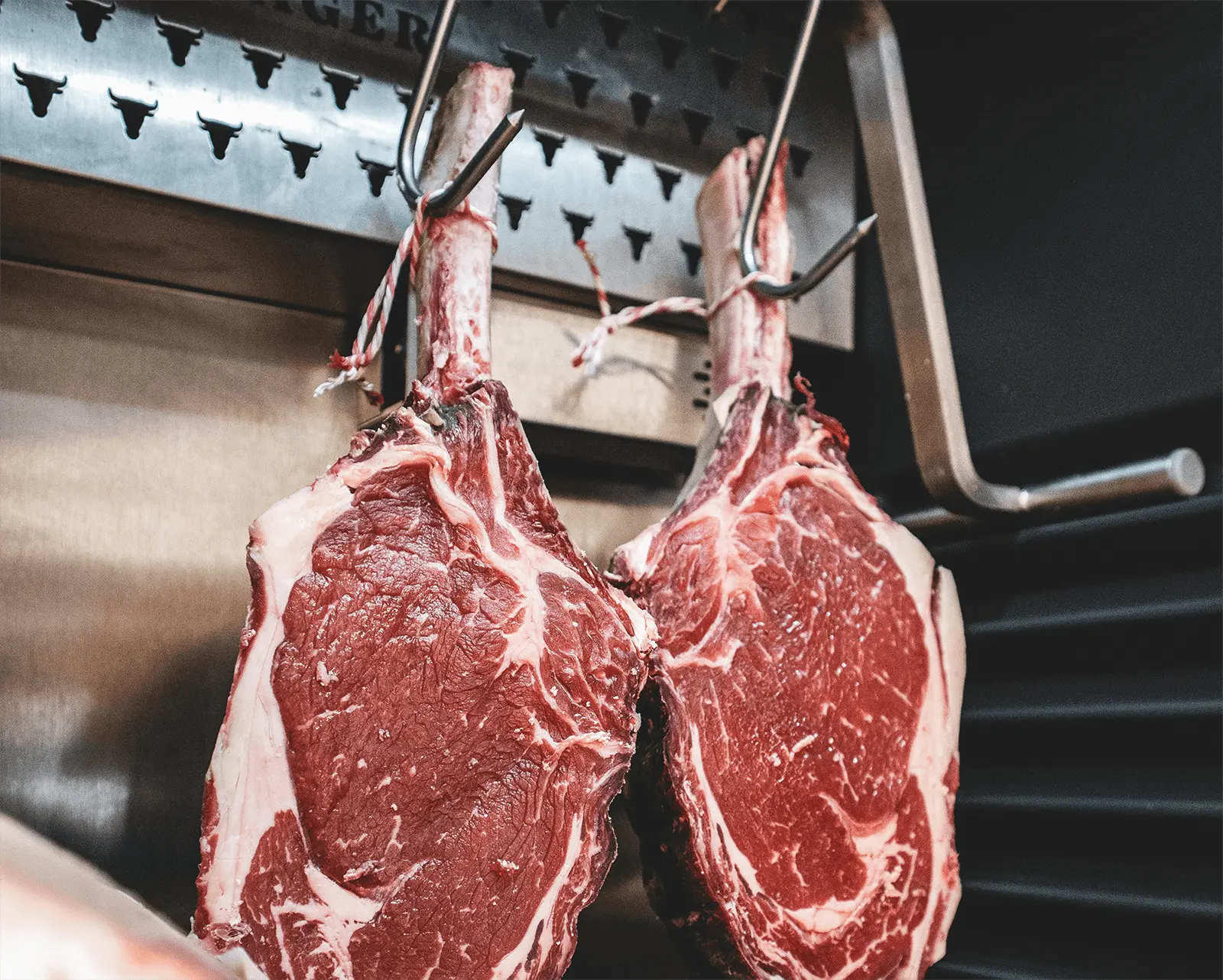
If you’ve visited Griffins of Stone award-winning Butchery, you’ve likely seen our dry ager filled with beautifully matured cuts of beef. It’s one of the most talked-about features in our shop, and for good reason.
Dry aged beef isn’t a modern trend. It’s a traditional technique used for centuries to enhance tenderness and intensify flavour. Today, it remains the gold standard for steak lovers who want depth, richness, and true craftsmanship.
But what makes dry aged steak so special?
What Is Dry Aged Beef?
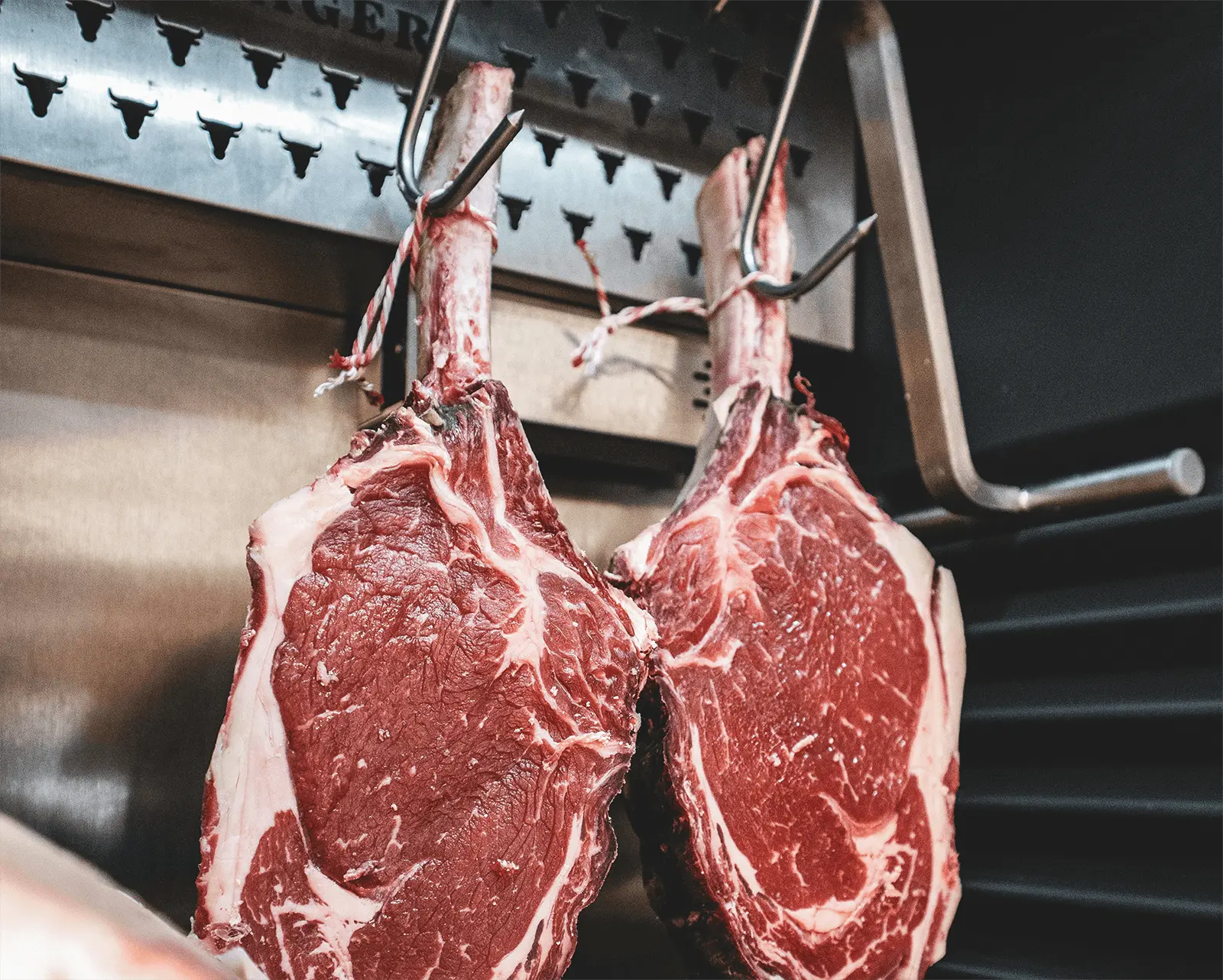
Dry ageing is the process of hanging premium beef in a carefully controlled environment for an extended period.
Unlike supermarket beef, which is vacuum-packed and sold quickly, dry aged beef is matured slowly at around 2°C.
Over time:
Natural enzymes break down collagen
Moisture evaporates
Flavour becomes more concentrated
Texture becomes incredibly tender
The result is a steak with a richer, deeper, more complex flavour profile.
How We Dry Age Our Beef in Stone
At our Stone, Staffordshire butchery, we age beef for a minimum of 34 days and up to 120 days, depending on:
The cut
The size
The desired intensity of flavour
We use Himalayan salt blocks within the ageing chamber to help regulate humidity and purify the air. This encourages controlled moisture evaporation while contributing to flavour depth.
Once the ageing process is complete, we carefully trim away the hardened outer layer, revealing beautifully tender, perfectly matured beef beneath.
What Does Dry Aged Steak Taste Like?
Dry aged steak offers:
Intensified beef flavour
Subtle nutty, umami notes
A softer, melt-in-the-mouth texture
A richer finish than standard beef
It’s refined rather than overpowering. Once you experience properly dry aged beef, it’s difficult to go back.
Which Cuts Do We Dry Age?
As an artisan butcher in Stone, Staffordshire, we only dry age premium steaks and primal cuts, including:
Ribeye
T-Bone
Sirloin
Côte de Boeuf
These high-end cuts respond beautifully to ageing, delivering exceptional results.
Why Is Dry Aged Beef More Expensive?
Dry ageing requires:
Time
Space
High-quality beef
As moisture evaporates, weight is lost, meaning less sellable product. Combined with the extended ageing time, this naturally increases cost.
But what you gain is superior flavour, tenderness, and a restaurant-quality steak experience at home.
Try Award-Winning Dry Aged Beef in Stone, Staffordshire
You no longer need to book a steakhouse to enjoy premium dry aged steak.
Visit Griffins of Stone Butchery and experience the difference for yourself, with our Award-Winning Dry Aged Beef in Stone, Staffordshire.
Host a steak night. Impress your guests. Taste the craftsmanship.
If you have a question about this blog, contact our team of specialists today.
